
Building the energy ecosystem of tomorrow is one of the hottest topic among engineers and energy consumers. The fast adoption of renewable energy technologies, electric vehicles (EVs) and residential battery storage is actively transforming the ways households use and manage electricity. Contemporary homes have become more than simple electricity consumers! They are dynamic energy hubs having the capacity to generate, store and feed energy into the grid – based on optimization calculations and principles.
Nevertheless, the opportunity provided by household energy generation comes with its challenges: coordinating multiple energy sources and loads increases the grid maintenance complexity and the volatile nature of solar energy contributes to greater variability in energy prices.
The goal of maximizing self-consumption of solar energy, minimizing electric energy grid costs and making sure that the EV is charged when needed, requires far more than simple automation.
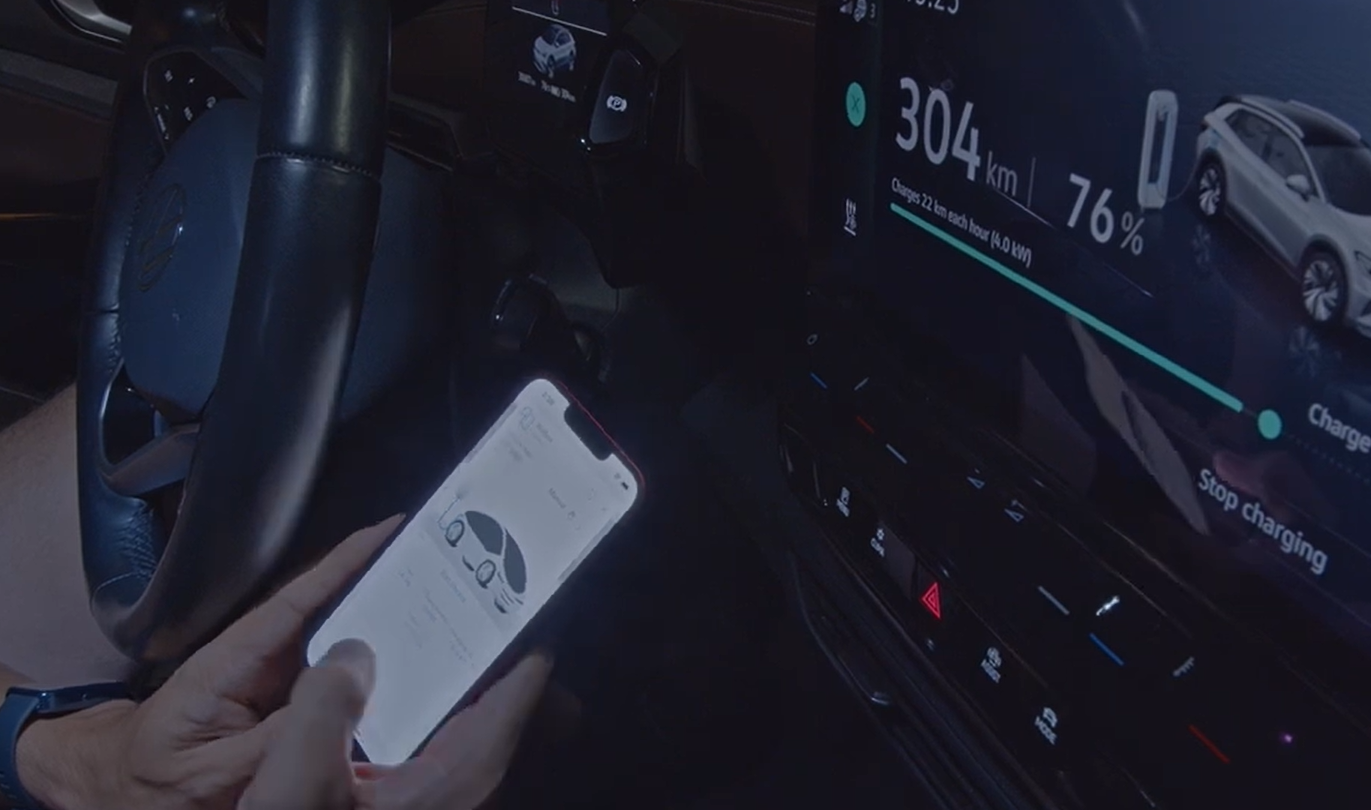
With our team of software engineers and expert teams of large smart home industry players, we have concluded that AI is the technology that provides that missing layer able to facilitate a predictive and autonomous energy management. The best output of this new technology mix is an unprecedented continuous optimization of household energy usage.
The Techno-Economic Challenge
The common objective of both software engineering and smart home expert teams was to develop an intelligent software platform capable to generate the lowest-cost EV charging schedule for a standard household, while considering in the equation, the observed constraints. We counted seven main constraints, including both technical and economic aspects:
- Dynamic electricity prices in Europe and North America
- Household electricity needs
- Heat pump operation
- Solar (photovoltaic) energy Production
- Battery charge level
- Electric vehicles availability
- Charging constraints
The desired outcome was to shift from the reactive system model to a predictive system model, able to proactively determine the optimal charging strategy for the next 24 hours.
AI-Powered Forecasting Engine
We have started by performing an exploratory data analysis on the collected measurements and extracted the relevant features from the household’s activity, such as: battery charge level, consumption patterns, EV availability, heat pump operating history and solar generation history.
The above mentioned analysis resulted in three independent 24-hour forecasting models, stored in an ONNX format.
- PV Generation Forecast – A hybrid physics and weather based model estimates the solar power production for the following 24 hours.
- Household Consumption Forecast – A regression model predicts the residential electricity demand, by using engineered statistical features.
- Heat Pump Consumption Forecast – A neural network analyzes the recent operating behaviour to forecast the future heating demand.
Together, these three forecasting models create a big picture of the home’s future energy profile, which will help to optimize the distribution of overall future energy consumption.
AI-driven Energy Optimization
In order to reduce electricity cost, an optimizing solution needed to be designed. The forecasted household demand, heat pump consumption, PV generation, electricity prices, battery constraints and EV availability will be combined in a MPC (Model Predictive Control) optimization problem.
The final result is an optimized charging schedule that specifies the charging mode for short intervals, making sure that the vehicle is ready when required while minimizing the overall electricity costs.
Core Innovations
Considering the complexity of the solution, there are four innovations that we are proud to present about this project.
- AI-powered multi-model forecasting architecture
- Parallel inference for fast and scalable execution
- MPC optimization
- Modular workflow designed for cloud deployment and future expansion
The Impact on The Smart Home Industry
Considering the size of the served markets and the importance of the industry player involved in the development of the solution, we can declare that this platform will have a significant impact on the future household energy ecosystems.
The reasons for which we consider this is that the platform not only helps reducing costs, optimizes EV charging and increases renewable energy use, but also reduces dependence on the grid and supports a more energy-efficient lifestyle.
While discussing with our engineering teams, we understood that the intelligent EMS – Energy Management System for the Next Gen homes demonstrates how AI can become an active decision-making factor in the modern energy management systems.
Get Your Smart Home Energy System Ready for The Future
For the residential and real estate sector, intelligent software integration will become the foundation for sustainable energy systems. From our experience at SOFTECH, we consider that machine learning, AI integration and operational research will have the power to create new business and societal value.
If you are currently researching how AI, predictive analytics and optimization models can help you with better energy management, industrial-scale automations and AI based decision-support systems, we are open to explain how novel technologies can help your organization.
You are welcome to share details about your project – via our contact form – and start discussing how to build smarter software platforms.
by: Diana Roșca